- May 30, 2022
Q&A: What’s Behind Armenia’s Decision to Skip UNGA Vote on Georgia’s IDP Resolution?
- June 28, 2019
- , Politics
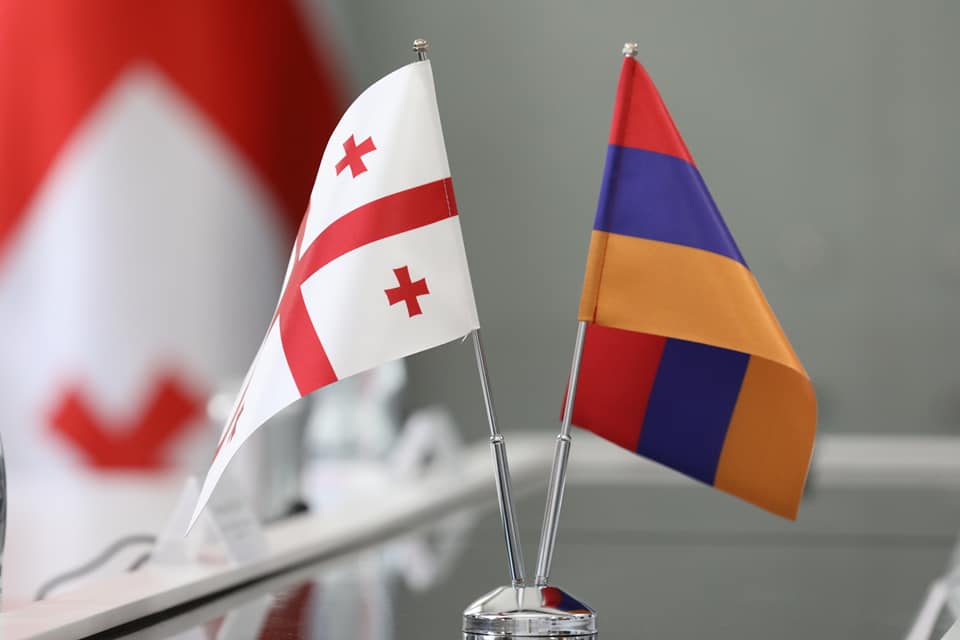
The United Nations General Assembly adopted on June 4 a resolution reiterating the right of return of all displaced persons and refugees to Georgia’s Abkhazia and Tskhinvali Region/South Ossetia. Similar resolutions have been passed by the UN General Assembly for 12 years running now, with the first one initiated by Georgia back in May 2008, before the hostilities of the Russo-Georgian war have started. Following the war, Tbilisi sees the document, even through it is non-binding, as an important diplomatic instrument to keep the international attention focused on humanitarian aspects pertaining to effective Russian occupation of the two regions. Growing number of the supporters serves also as a public shaming of the Russian delegation - pointing to its international isolation. All European Union countries and the United States, as well as the growing number of countries from the rest of the world (79 in total, by 2019) vote for the resolution, affirming the right of those displaced from the two regions, to return to their homes. A handful of others votes against - 15 states, including Russia, made this choice in 2019. Large proportion abstains - 57 in 2019. Some are trying to stay out of the great-power game, while some others are too distant to care for Georgia issues. This list of abstainers also includes Switzerland, which does not want to compromise its status of a diplomatic go-between. Yet, another group, too torn by conflicting priorities to vote either way, decides not to show up. This year marked the first time the Armenian delegation, which traditionally voted against the resolution, decided to skip the voting procedure, in an apparent attempt to signal a change in its policy. The usual decision to vote against - disappointing, but received with understanding by the Georgian diplomacy - was caused by the complications related to Armenia's conflict with Azerbaijan over Nagorno-Karabakh. So what changed now? To reflect on this question, Civil.Ge has approached five Armenian foreign policy experts – Richard Giragosian, Anahit Shirinyan, Armen Grigoryan, Erik Davtyan and Johnny Melikian. We offer their responses below. This publication was prepared with the support of the Institute of War and Peace Reporting within the framework of the “Giving Voice, Driving Change - from the Borderland to the Steppes” Project. The views and opinions expressed in this article are those of the authors and do not necessarily reflect the official policy or position of the Institute for War and Peace Reporting.
Similar news
- June 12, 2025
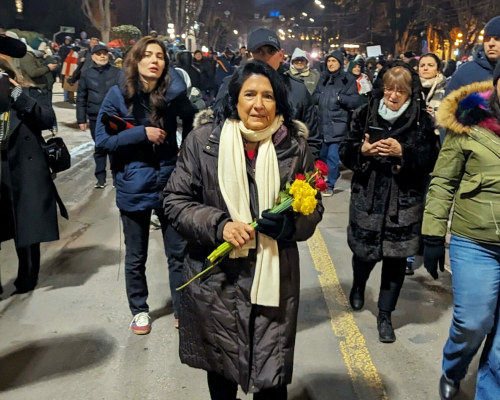
Salome Zurabishvili Fined for “Blocking Road”
- November 11, 2025
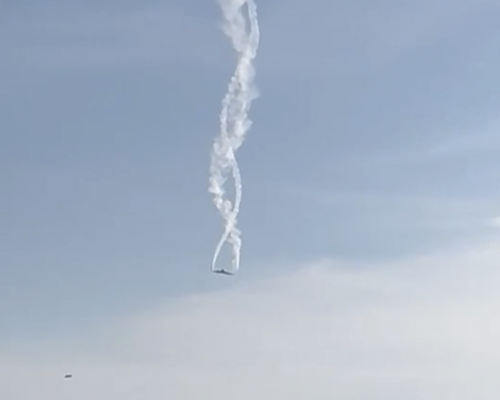
Turkish Military Cargo Plane Crashes Near Georgia-Azerbaijan Border
- April 15, 2024
Dispatch – April 15: Rematch

- February 19, 2024
Dispatch – February 18: Rorschach Test

- February 12, 2024